From Leaking Pee To Abrupt Urges To Go: An Ob-gyn Talks Bladder Control Problems
Urinary Incontinence Urinary & Digestive Tract: Types, Causes, Therapies It is typically caused by weak pelvic floor muscles or a damaged urethral sphincter. Urinary urinary incontinence can be a difficult condition to cope with, influencing numerous people worldwide. 2 usual types of urinary incontinence are stress incontinence and advise urinary incontinence, each with its very own causes and therapy choices. Surgical treatment is usually used only for younger clients with extreme desire urinary incontinence refractory to various other therapies. Enhancement cystoplasty, in which an area of intestine is stitched into the bladder to boost bladder capability, is most usual. Intermittent self-catheterization might be needed if augmentation cystoplasty cause weak bladder tightenings or bad coordination of stomach pressure (Valsalva maneuver) with sphincter Find more info relaxation.
Examination Of Urinary Incontinence In Adults
Your doctor should ask concerns, like how long the leakage has actually been taking place, how bad it is, and how it affects your life." Urinary system leakage, or urinary incontinence, is incredibly usual.Do not let urinary incontinence control your life-- timetable an appointment with our urologists today to explore your treatment options and restore control of your bladder wellness.Review on your own to read more concerning anxiety urinary incontinence causes, signs and symptoms and treatment alternatives.Adverse impacts resemble those of oxybutynin however, because of bladder selectivity, might be much less severe.
That implies any damage or weak point is most likely to cause incontinence. And pregnancy, giving birth, and menopause all impact the pelvic muscles and raise the threat of incontinence. Both conditions have some things in common, and sometimes a person can have both. OAB entails the urge to urinate, whereas urinary incontinence involves involuntary urination. In guys, alpha-adrenergic blockers eliminate symptoms of outlet obstruction, might lower postvoid recurring volume and outlet resistance, and might raise urinary system circulation rate. Established incontinence is triggered by a consistent trouble affecting nerves or muscle mass. So, allow's take a better consider these 2 closely related problems. Recognizing the details Urinalysis of each can help you discover what you might be taking care of and what your company can do to assist you feel better. Though millions of individuals suffer from SUI, there are no FDA-approved pharmaceutical medicines to deal with the condition.
History And Physical
This can produce an unexpected, intense impulse to pee-- also if you simply went a little while earlier. It is very important to note that stress urinary incontinence isn't limited to postpartum women. It can impact young professional athletes, older adults, and even guys after prostate surgery. Posterior tibial nerve excitement (PTNS), a similar method of electric neuromodulation for the treatment of voiding disorder, is a much less intrusive option to traditional sacral nerve excitement. A needle is put over the median malleolus near the posterior tibial nerve followed by the application of low-voltage excitement in 30-minute sessions offered weekly for 10 to 12 weeks.
Exactly how do you know if you have tension or prompt urinary incontinence?
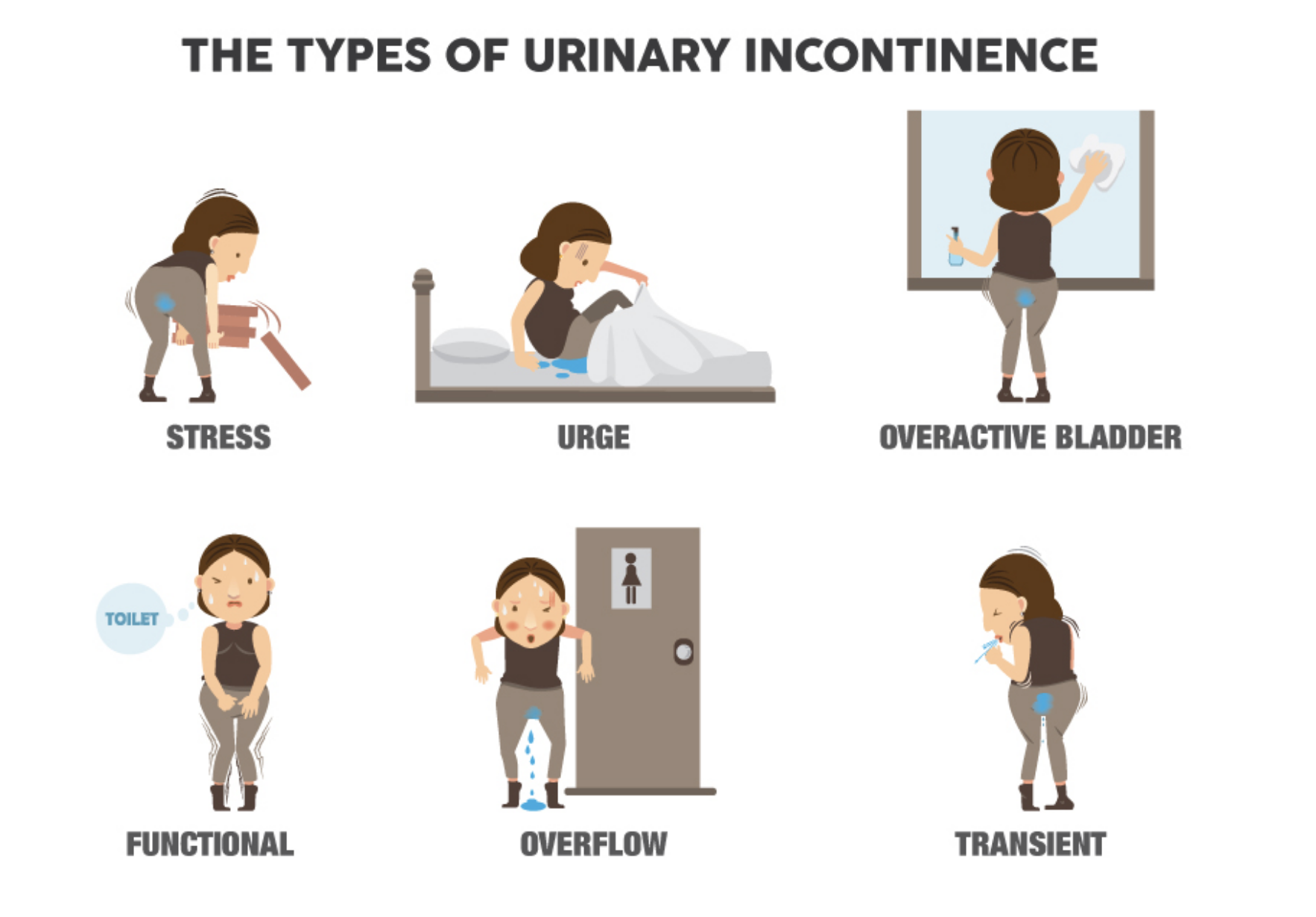
stress and anxiety urinary incontinence & #x 2013; when pee leaks out at times when your bladder is under stress; for example, when you cough or laugh. impulse (necessity) incontinence & #x 2013; when urine leakages as you really feel a sudden, extreme urge to pee, or soon later on.
Neural pathways and urinary system devices that maintain continence might be typical. Urinary system incontinence is uncontrolled loss of urine; some specialists consider it present only when a person believes it is a trouble. Numerous people do not report the trouble to their doctor, and several medical professionals do not ask about urinary incontinence especially. Incontinence can happen at any type of age yet is more typical among older adults and women, influencing about 37% of older females worldwide (1) and roughly 15% of older guys in the USA (2 ).